* Translated by Janine Muller Sherr
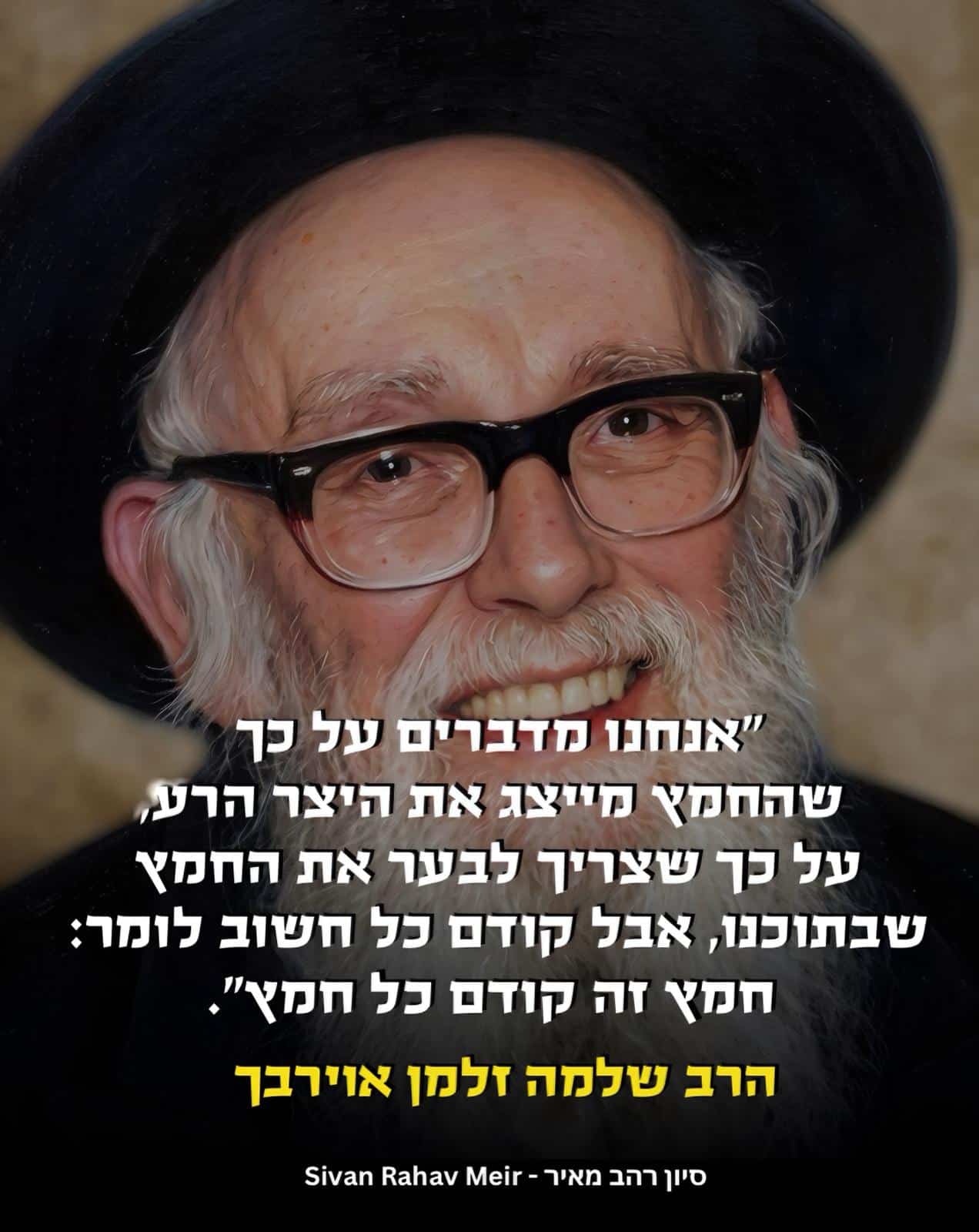
Rabbi Shlomo Auerbach, the great rabbi and halachic authority, was once asked what to teach kindergarten-age children about Pesach. He answered: “We need to teach children that chametz is chametz!”.
Then he continued: “We often explain that chametz represents the evil inclination and haughtiness and that matzah represents simplicity and humility; that bread is inflated and pompous while matzah is down-to-earth. There have been many attempts to interpret chametz homiletically, and to urge us to try and eliminate our inner 'chametz'. These ideas are beautiful and true, but before everything else we must remember that chametz is literally chametz".
We are often so eager to search for the symbolic meaning of chametz that we forget about its simple definition. But when we are teaching young children, and think about it ourselves, it’s important to begin with the basics, with the specific mitzvah that is written in the Torah. Fundamentally we must understand that before Pesach we need to eliminate bread, pita, pasta, and pretzels, and that we aren’t permitted to eat these foods over the holiday. It is only after we have established this essential concept that we can— and should— raise it up a notch and seek to understand the deeper significance of this mitzvah.
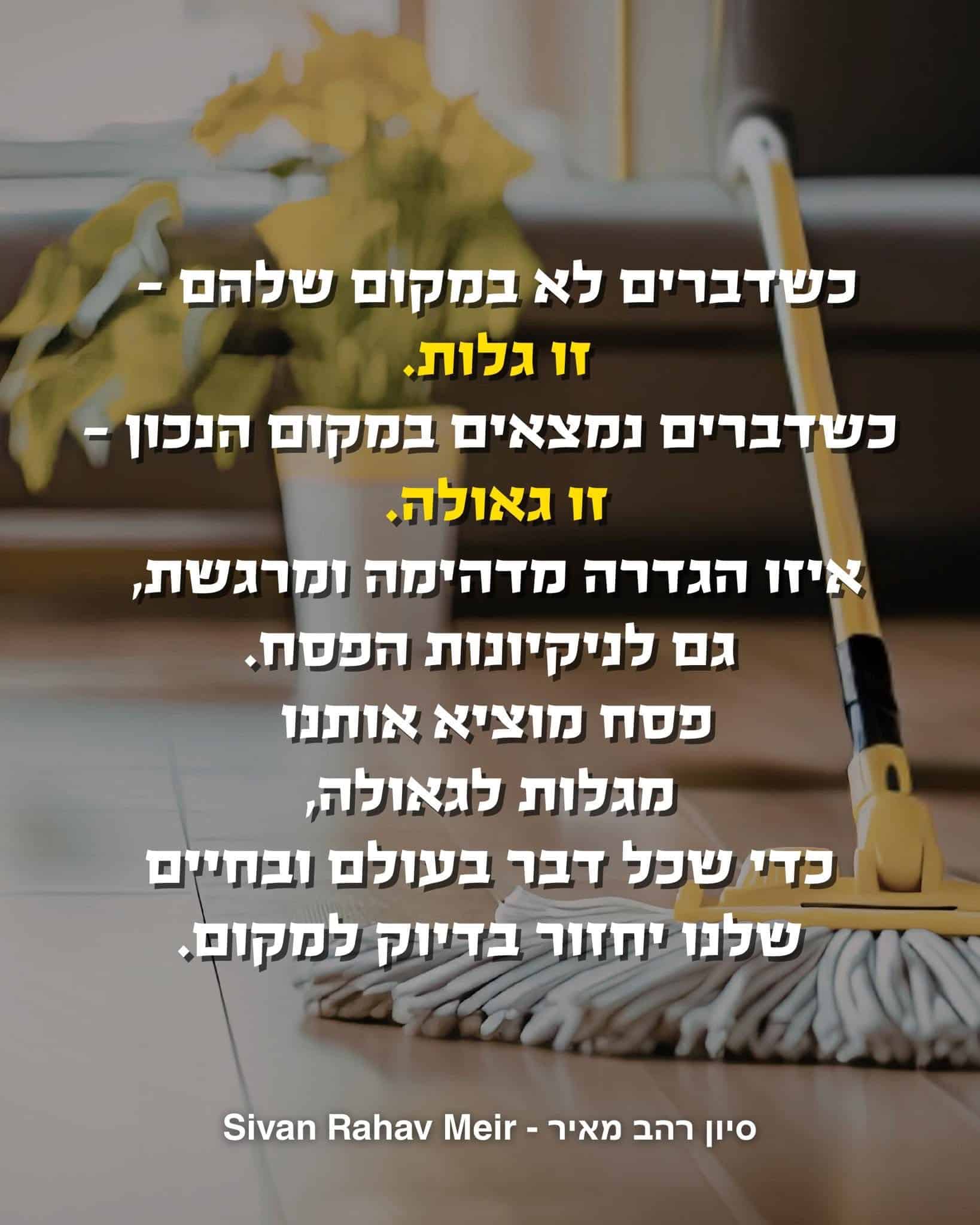
Best of luck with your Pesach cleaning…